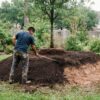
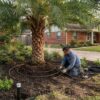
A successful landscape needs to suit the property, not just look good on paper. Finding a trustworthy landscaper in Houston starts with choosing a team that understands your goals, the site, and the differences between residential and commercial projects. Both benefit from clear planning and skilled installation.
Before committing to a landscape project, it helps to understand the process. This guide explains how to assess a company’s fit, what shapes project costs, and how consultation, design, and installation typically proceed. You’ll also learn what to consider for a home or business so you can make informed decisions and plan for a practical, lasting result.
Key Takeaways
- Know what to expect as a landscaping project moves from consultation and design into permitting and construction.
- Use customer reviews to assess how well a landscaper communicates, plans, and delivers work.
- Understand which project details can shape costs, so you can plan around your priorities and scope.
- Identify the different needs of residential and commercial landscapes before deciding what work your property requires.
Consultation, design, permitting, and construction process
A clear process connects your outdoor vision with practical design, installation, and care. Whether you’re planning work at home or for a business, define the project scope before installation begins.
Consultation and Design Planning
During consultation, professionals discuss how you use the property, your priorities, and site conditions. A landscape architect, designer, or contractor can translate that vision into a plan showing plant placement, work areas, and construction details. Licensed landscape architects and certified designers bring different credentials, so review who is responsible for each design decision. For example, a plan for shaded seating differs from one focused on screening an entrance.
Design comes before construction. The City of Houston offers permitting resources for checking zoning, building-code, and environmental-rule considerations. Reviewing these considerations during planning helps identify project steps before crews arrive, especially when the proposed work affects more than planting beds.
For licensing, the Texas Department of Licensing and Regulation is listed as the licensing agency for landscape contractors in Houston. A proposal should also identify the business, relevant credentials, and insurance details; registration and insurance expectations depend on the work and applicable requirements.
Service Scope and Contract Details
Landscape professionals may focus on design, installation, maintenance, or a combination. With one team handling planning and planting, communication can be simpler; with separate providers, clarify who manages each transition. Compare the proposed scope and confirm which stages are included. Maintenance consultations can also help you understand care needs after planting.
A useful contract records the work area, design documents, plant and material specifications, exclusions, payment schedule, estimated timing, and change-order process. It should also name the responsible business and explain how site access, cleanup, and project updates will be handled. Clear written details reduce confusion when plans change.
During construction, the team prepares the site, follows the approved plan, installs specified plants and features, and addresses agreed changes through the contract process. Before work begins, align the design, written scope, and permitting steps. That sequence gives homeowners and commercial property managers a clear basis for reviewing progress and completing the project.
How do I choose Landscapers in Houston, TX near me?
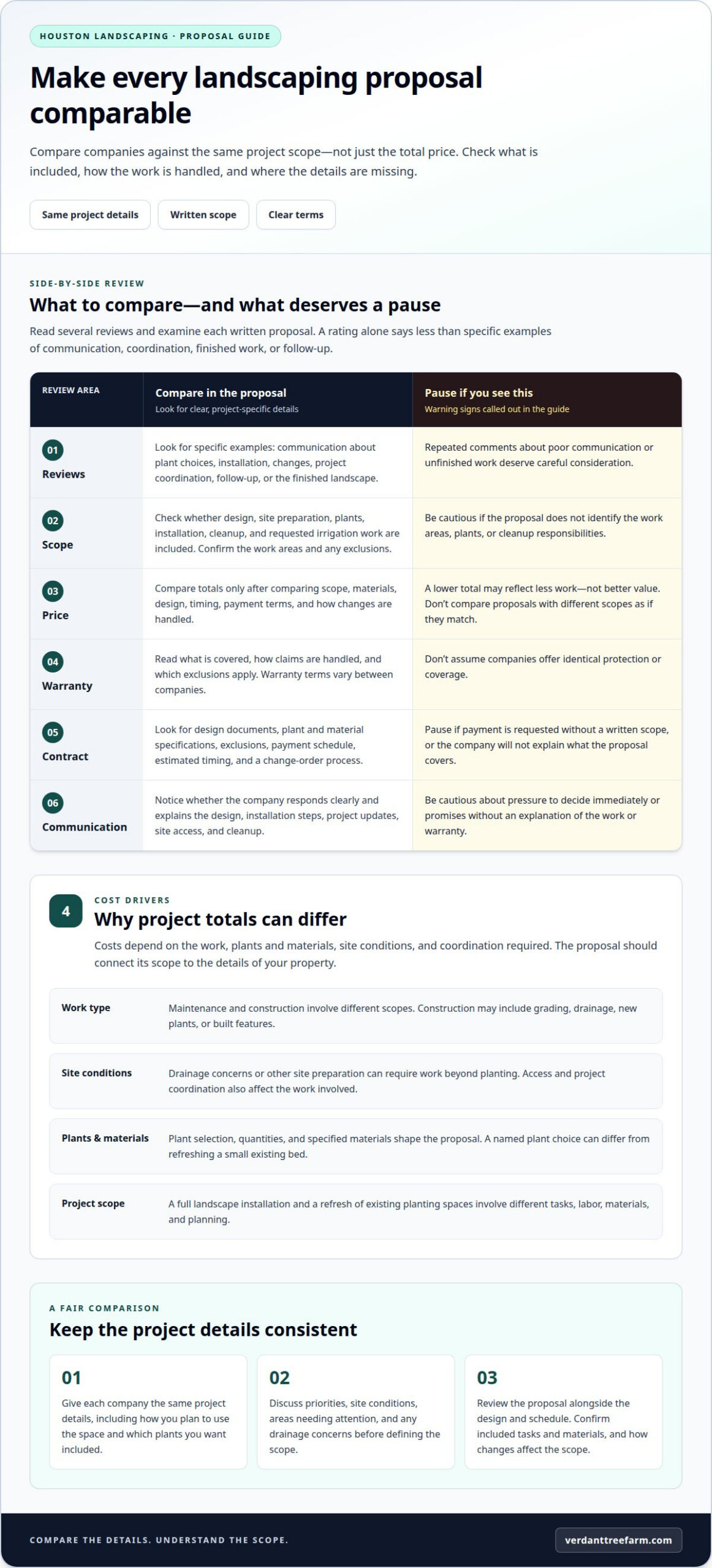
Compare customer reviews, written proposals, scope, and communication before choosing a landscaping company. Services, warranty terms, and pricing vary by project, so compare what each proposal actually includes.
Communication and Professional Ratings
Read several reviews and look for specific examples rather than general praise. A review describing a backyard project may show how the team communicated about plant choices, installation, or changes. Notice repeated comments about the finished landscape, follow-up, or unresolved concerns.
In early conversations, notice whether the company responds clearly and explains the proposed work. Reviews can add context, but project-specific feedback is more useful than a rating alone. For example, a commercial client may describe project coordination, while a homeowner may focus on communication.
Comparing Services, Warranties, and Pricing
Compare landscaping proposals against the same project scope. Check whether each covers design, site preparation, plants, installation, cleanup, and any requested irrigation work. A lower total may reflect less work, not better value.
Read warranty terms to understand what they cover, how claims are handled, and any exclusions. Don’t assume companies offer identical protection. Compare how each proposal addresses materials, changes, payment terms, design, and timing.
Scams and Hiring Warning Signs
Be cautious if a representative pressures you to decide immediately, requests payment without a written scope, or won’t explain what the proposal covers. If it does not identify work areas, plants, or cleanup responsibilities, misunderstandings are more likely. Clear written details make the agreed work easier to track.
Pay attention to how questions are handled. If a company promises a result but won’t explain the design, installation steps, or warranty terms, pause before proceeding. Repeated review comments about poor communication or unfinished work deserve careful consideration.
For a fair comparison, give each company the same project details, such as how you plan to use the backyard and which plants you want included. This makes differences in scope and price easier to understand.
Landscaping project costs
Project costs depend on the work, plants and materials, site conditions, and coordination required. Refreshing planting beds, addressing drainage, and completing a full landscape installation involve different tasks.
Project Types and Cost Factors
Maintenance and construction have different scopes. Maintenance consultations can clarify recurring care priorities, while construction may involve grading, drainage, new plants, and built features. Each task affects labor, materials, access, and project coordination. A beautiful landscape with extensive site changes requires different planning than refreshing existing planting spaces.
Ask for a proposal that connects the work to specific details. For example, drainage work may require site preparation beyond planting. Choosing a Bracken’s Brown Beauty Magnolia is also different from refreshing a small bed. Plant selection, quantities, and installation scope all shape the proposal.
Consultation and Project Planning
During a consultation, discuss your priorities, site conditions, and how you intend to use the space. Explain which areas need attention, whether drainage is a concern, and what matters most. This helps define a workable scope before installation. A clear planning process also makes it easier to discuss alternatives if priorities or site conditions change.
Before approving work, review the proposal alongside the design and schedule. Confirm which tasks and materials are included and how changes will affect the scope. This makes it easier to compare different approaches to improving your outdoor space.
Past projects can show how a company handles details from planning through completion. Look for examples involving similar site conditions, such as drainage work or new tree planting. Customer feedback adds context about communication and whether the finished work matched the agreed scope. Specific examples are more useful than broad claims.
Project coordination brings the schedule, crews, materials, and site work together. A project involving drainage and planting needs those tasks planned in sequence so completed areas aren’t disrupted by later work. Ask how updates, site access, and changes will be handled. These practical details help set expectations.
Residential and commercial landscaping services
Residential and commercial properties need different landscape plans, even in Houston. Match the project scope to how people use each outdoor space.
For a home, priorities may include privacy, shade, outdoor living, or a view from inside. A family’s planting plan differs from a commercial entrance designed for regular foot traffic. Plant selection and installation should suit the property, site layout, and care needs.
Specialties can include planting, lawn work, drainage, lighting, artificial turf, and outdoor living features. Treat these as distinct project elements, not a single catch-all service. For example, a lighting plan affects evening use, while artificial turf changes the look and maintenance needs of a garden. A clear scope identifies which elements are included and how they fit together.
Houston service areas matter because a provider’s stated coverage determines whether its team can serve your property. Describe the property’s location and whether it is residential or commercial when discussing the project. Then clarify the work area, access needs, and site conditions. A commercial property may need landscaping completed around entrances or shared outdoor spaces, while a home project may focus on a backyard.
Ask how the proposed work will support daily use after installation. For a business, consider how trees and planting areas affect entrances, visibility, and public-facing spaces. At home, consider how the garden supports outdoor living and household routines. These details help shape a landscape around function as well as appearance.
For Houston properties, a useful next step is to describe the space, desired features, and intended use in one project discussion. This gives the professional a clearer basis for recommending a suitable scope. Discuss your Houston landscape project when you’re ready to plan the next step.
Verdant Tree Farm
Verdant Tree Farm is a natural next step when your landscape plan calls for trees suited to the property. As the largest independently-owned and operated tree farm in Houston, Verdant offers options including Shumard Oak, Mexican White Oak, and Drummond Red Maple. Homeowners and commercial property managers can consider these trees as part of a broader outdoor plan.
When choosing trees, consider where you want shade, structure, or a focal point. The right selection depends on the role the tree should play in your landscape. Keeping those goals clear helps connect plant choices with the space you want to create.
For tree options and professional installation for your Houston landscape, contact Verdant Tree Farm.
Make Your Landscape Plan a Reality
Finding a trustworthy landscaper in Houston starts with a clear picture of what you want your property to become. Let that vision guide your next conversation, whether you’re planning a garden refresh, tree planting, or a broader outdoor project. The plants you choose should suit the space and how you intend to use it.
Verdant Tree Farm offers trees including Live Oak, Shumard Oak, and Mexican White Oak. Consider these options as part of a landscape plan shaped around your property’s goals. Share what you hope to achieve and explore which trees may suit the project.
Contact Verdant Tree Farm today to discuss your landscape plans. A clear next step can bring your ideas closer to a finished outdoor space.
Frequently Asked Questions
Do you handle both residential and commercial landscaping?
Yes. Verdant Tree Farm serves residential homeowners and commercial clients, with professional tree and palm installation. The right planting plan depends on the site and its intended use. A homeowner may prioritize shade, while a commercial project may involve planting across a larger property.
Is hiring a landscaper worth it?
Hiring a professional can be worthwhile when a project involves planning, heavy planting, or coordinating several landscape elements. Professional installation handles planting work, while expert guidance can help you select trees that suit your goals. For instance, a homeowner adding trees to a new home can discuss placement and care before installation begins.
What certifications should a trustworthy Houston landscaping company have?
Credentials should match the work, since design, installation, and ongoing care involve different responsibilities. Verdant Tree Farm is a member of the Texas Nursery and Landscape Association. Membership offers professional context, but it doesn’t establish every qualification. When finding a trustworthy landscaper in Houston, clarify who is responsible for design and which credentials apply to that role.
Where can I find reliable reviews and complaints about Houston landscapers?
Review several customer-feedback sources, including Google Business Profile and Better Business Bureau listings, then compare specific project experiences. Search for comments about the work you need, such as tree planting or commercial landscaping. Detailed accounts can show how a company handled questions or concerns. Look for consistent patterns rather than relying on one unusually positive or negative review.
What questions should I ask before hiring a landscaper in Houston?
Ask who will lead the work, how plant choices are made, and what care guidance follows planting. For a tree installation, ask how the team prepares the site and explains post-plant care. Clarify how updates will be shared if site conditions affect the plan. These questions help you understand the proposed work and working relationship.
How much do landscaping services cost in Houston, Texas?
Costs depend on project scope, selected plants, and the work involved. Tree prices vary by species, size, and maturity, while installation and design needs shape the overall project. A plan with several mature trees differs from a smaller planting project. When finding a trustworthy landscaper in Houston, request a project-specific estimate based on your priorities and desired plants.