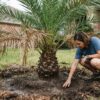
A palm that looks close to dying may be reacting to transplant stress rather than poor care. To learn how to revive a struggling palm tree, first check soil moisture and drainage, then consider fertilizer and recent planting or transplanting. Browning lower fronds can follow root loss during transplanting, so note when the decline began and which parts of the palm are affected before changing its care.
It’s worrying to see a palm lose color or fronds, but adding water or fertilizer right away can make the problem worse. Start by identifying possible sources of stress, then match your response to the symptoms.
This guide walks through practical checks for watering, feeding, excess moisture, and transplant stress. You’ll also learn how to distinguish temporary adjustment after planting from a decline in an established palm, so you can choose a sensible next step for your landscape.
Key Takeaways
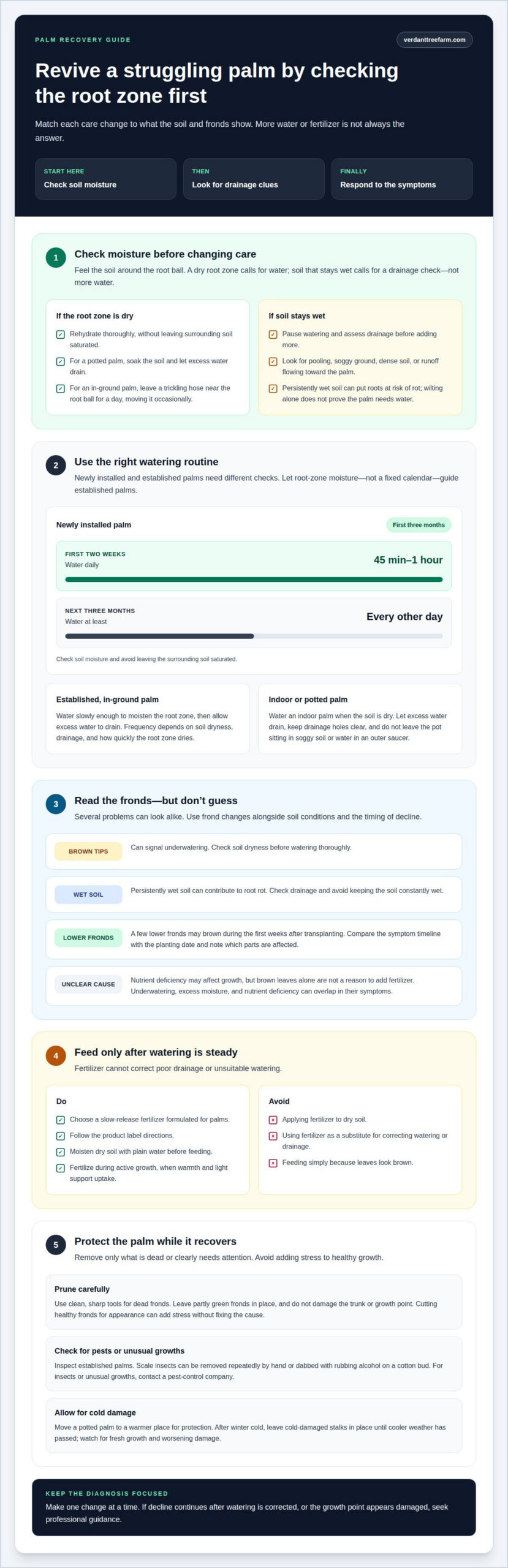
- For a newly installed palm, water daily for 45 minutes to an hour during the first two weeks, then at least every other day during the next three months.
- Water indoor palms when the soil is dry, and avoid leaving the potting mix soggy.
- Look for dense soil, poor grading, or standing moisture as possible clues that excess water is putting roots at risk.
- Lower fronds may brown during the first weeks after transplanting; compare the timing and pattern with changes in an established palm’s condition.
How Do You Revive a Dying Palm Tree?
Start by checking the root zone, then match watering and pruning to the symptoms. Newly installed palms need a different watering routine from established trees.
-
Check Water and Root-Ball Moisture
Feel the soil around the root ball before adding water. If it has dried out, rehydrate it thoroughly without leaving surrounding soil saturated. For a potted palm, soak the soil thoroughly, then let excess water drain. For an in-ground palm, leave a trickling hose near the root ball for a day, moving it occasionally. Newly installed palms need daily watering for 45 minutes to an hour during the first two weeks, then at least every other day during the next three months.
-
Identify Common Causes of Decline
Compare soil moisture with the condition of the fronds. Underwatering can brown frond tips, while persistently wet soil can contribute to root rot. Nutrient deficiency may also affect growth. Don’t apply fertilizer to dry soil; moisten it with plain water first. If decline continues after you correct watering, or the palm’s growth point appears damaged, seek professional guidance from experienced arborists such as Kjk Tree Services. Treatment costs depend on diagnosis, tree size, access, and the work required.
-
Prune Damaged Fronds Carefully
Remove dead fronds with clean, sharp pruning tools, taking care not to damage the trunk or growth point. Leave partly green fronds in place because they can still support the palm. After winter cold, wait until cooler weather has passed before removing stalks from cold-sensitive palms. Don’t cut healthy fronds simply to improve appearance; excessive pruning can add stress without fixing the underlying problem.
-
Address Pests, Disease, and Cold Damage
Inspect established palms for insects or unusual growths. If you find them, contact a pest-control company. Scale insects can also be removed repeatedly by hand or dabbed with rubbing alcohol on a cotton bud. Cold or frost can damage sensitive palms. Move a potted palm to a warmer place for protection, and leave cold-damaged stalks in place until cooler weather has passed. Watch for fresh growth and any worsening damage as conditions change.
Checking watering and fertilizer for established palms
For an established palm, check soil moisture before changing its watering or feeding routine. Adjust care according to what the root zone and fronds show, not a fixed calendar.
-
Assess Watering Needs
Check the soil around the root zone before watering. For an indoor palm, water when the soil is dry rather than following a weekly schedule. For an in-ground palm, water slowly enough to moisten the root zone, then allow excess water to drain. Frequency depends on soil dryness, drainage, and how quickly the root zone dries. Avoid keeping the soil constantly wet. Brown frond tips can signal underwatering, while persistently wet soil can contribute to root rot.
Make one change at a time. If the soil is dry, water thoroughly and note how quickly it dries again. If it stays wet, pause watering and assess drainage before adding more. These checks help distinguish a palm that needs moisture from one whose roots are struggling in saturated soil.
-
Choose Palm-Specific Fertilizer
Once watering is steady, choose a slow-release fertilizer formulated for palms and follow its label directions. Palms need nutrients to support frond growth, but extra fertilizer won’t fix poor drainage or unsuitable watering. Don’t apply fertilizer to dry soil. Moisten the root zone with plain water first, then feed according to the product instructions.
For a houseplant palm, make feeding part of its care routine and watch for changes in growth and frond color. Don’t add fertilizer simply because leaves look brown: underwatering, excess moisture, and nutrient deficiency can cause overlapping symptoms. Fertilize during active growth, when warmth and light support uptake. Transplant timing depends on the palm type and local conditions, so address ongoing stress before moving an established tree.
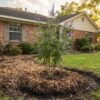
Recognizing poor drainage and excess water retention
Trace standing moisture to the soil, planting bed, or pot before changing your care routine. Dense soil and poor grading can trap water around palm roots.
-
Assess Soil Drainage and Water Retention
Check whether soil stays wet long after watering, especially around the root zone. Dense soil, poor bed grading, and property drainage problems can all hold excess water and contribute to root rot. Look for pooling or persistently soggy ground, then consider whether runoff flows toward the palm. Bottle palms need well-drained soil; their height, which does not exceed 12 feet, doesn’t remove that requirement.
Follow the water’s path after rain or irrigation. If it collects beside the trunk, address the source of the excess rather than adding water; troubleshooting faulty lines or zone distribution with irrigation professionals like Sonora Sprinkler Inc. can help prevent oversaturation. Wilting alone doesn’t prove a palm needs watering: roots in saturated soil may also struggle to take up moisture. Let the soil condition guide your next adjustment.
-
Repot in Well-Draining Soil
For a potted palm, inspect the drainage holes and potting mix. Water should drain through the holes, and the plant shouldn’t sit in soggy soil. Consider repotting if the soil dries much faster than usual or roots appear at the bottom of the pot. These signs can mean the root ball has outgrown its container.
Choose a potting mix that drains well and lets air reach the roots. For a houseplant palm, add perlite or orchid bark to improve aeration. Keep drainage holes clear, and don’t let water collect in an outer saucer. After repotting, check soil moisture before watering again to avoid saturating the new mix.
Distinguishing transplant stress from decline in established palms
Start with the planting date and symptom timeline. A palm planted recently may respond differently from one established for 6-9 months or longer.
- Compare browning with the transplant date. A few lower fronds may turn brown during the first weeks after planting. Root loss during removal and transplanting can contribute to this adjustment. Note whether browning is limited to older, lower fronds or continues spreading through the crown.
- Track changes instead of judging the palm by one frond. Record when discoloration began, which fronds changed, and whether new damage appears. Browning on lower fronds soon after planting is more consistent with transplant stress than a decline that begins months later. Ongoing decline in an established palm calls for a broader review of its growing conditions.
- Consider root condition alongside the timeline. Transplanting cuts roots, but a palm may recover if roots remain alive and can regenerate. Browning alone doesn’t mean the tree is beyond recovery. Check whether the decline is progressing and whether the palm continues to produce healthy growth.
- Use the pattern to choose your next step. For a newly planted palm with only a few brown lower fronds during the first weeks, monitor new changes and maintain appropriate care. For a palm established at least 6-9 months, review its recent care and site conditions rather than attributing new symptoms to transplant shock.
If the timeline and symptoms remain difficult to interpret, get guidance on palm care before making major changes.
For established palms, check the watering routine first, then inspect for pests. If you find insects or unusual growths, contact a pest-control company.
Verdant Tree Farm
Verdant Tree Farm offers maintenance consultations for homeowners deciding what to do about a struggling palm. A consultation can help you review its care history, symptoms, watering, fertilizer, drainage, and whether recent transplanting may explain the change. It’s a useful next step after basic care adjustments haven’t clarified the cause, or when you want guidance before changing the palm’s growing conditions.
Bring clear observations, such as when symptoms began, which fronds are affected, and how the soil behaves after watering. These details provide a practical starting point. If you’re unsure what to do next, contact Verdant Tree Farm to discuss a maintenance consultation.
Choose a Clear Next Step for Your Landscape
The next step in learning how to revive a struggling palm tree is to respond to the clearest sign rather than changing several parts of its care at once. Note what has changed, make one adjustment, and observe the palm before making another. If symptoms keep progressing or you’re unsure which factor matters most, a focused consultation can help you decide what to address next.
Apply the same thoughtful approach across your landscape. Before planning new planting, consider the available growing space, sunlight, and the role each tree should play. Verdant Tree Farm offers Live Oak, Shumard Oak, and Mexican White Oak for homeowners planning a broader landscape project.
For help deciding what to do next, contact Verdant Tree Farm about palm care. A clear plan can make the next steps easier to manage and help you care for your landscape with confidence.
Frequently Asked Questions
How can I tell if a palm tree is dead or can be revived?
A palm may recover if its roots remain alive and can regenerate. Look for fresh growth and consider whether the central growth point has been damaged, since injury there can kill the plant. Don’t judge its condition by a single brown frond. Compare the crown and root condition with how symptoms have changed over time.
How do I diagnose and treat potassium or magnesium deficiency in a palm?
Confirm suspected potassium or magnesium deficiency before adding supplements. Browning or discoloration can have several causes, so consider the palm’s overall condition and use a soil test. If the test indicates a nutrient issue, choose a palm fertilizer whose label addresses that need and follow its directions. Avoid applying multiple products at once, which makes it harder to assess the response.
How can I improve soil drainage and pH for palm trees?
Improve drainage by identifying where water collects and addressing the cause, such as compacted soil or runoff flowing toward the planting bed. For potted palms, use a mix that drains freely. Test soil pH before trying to change it, then choose an amendment based on the results and product directions. Don’t guess at a target or add amendments without a clear need.
What type of palm fertilizer should I use, and how much should I apply?
Use a fertilizer formulated for palms and apply the amount stated on its label. Application rates vary by product, so don’t substitute a general dose or combine products to compensate for slow growth. Check the label for how and where to apply the fertilizer, and keep it away from the trunk unless the instructions say otherwise. Reassess the palm’s growth before changing the feeding plan.
When is the best time of year to fertilize or transplant a palm tree?
Fertilize during active growth, when warmth and light support uptake. Transplant timing depends on the palm type and local conditions; address ongoing stress before moving an established palm.