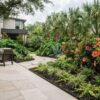
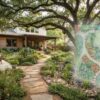
A lush tropical backyard in Houston comes from balancing bold foliage and flowers with practical, low-maintenance design. The key to how to create a tropical backyard in Houston is to choose palms and hibiscus suited to the site, group plants by their water needs, and use mulch to help simplify upkeep. Build the layout in layers, with taller plants behind colorful accents and lower, trailing growth in front.
The tropical look is appealing, but Houston’s summer heat and occasional freezes make plant choice and placement important. Planning helps your yard feel lush without making maintenance harder than necessary. This guide covers suitable palms, colorful hibiscus, and hardscaping choices that keep the design practical. You’ll also learn how to arrange plants for depth, prepare the growing area, and establish the backyard before summer heat arrives.
Key Takeaways
- Choose hibiscus for bright seasonal color, and plan its placement around sunlight, soil drainage, and watering needs.
- Compare Houston-suitable palm options by their mature form and upkeep needs; Mediterranean Fan Palm is drought tolerant and needs minimal pruning.
- Use paths, patios, and mulched planting beds to give the yard structure while keeping routine upkeep manageable.
- Layer plants by height, repeat a small palette of bloom colors, and establish the garden in spring so new plants have time to acclimate before summer.
1. Blue Hibiscus and Hibiscus as colorful accents
Use hibiscus to add vivid color, while choosing varieties for your site conditions. Choose Blue Hibiscus with your site’s light and seasonal display in mind. It tolerates drought and frost, making it a useful contrast to tropical varieties that need more consistent moisture. Place it where its flowers stand out against palm foliage or a simple green backdrop.
Tropical Hibiscus thrives in full sun and needs consistent moisture. Its flowers can attract hummingbirds and butterflies, bringing movement to a sunny seating area. Chinese hibiscus handles heat and blooms from late spring to early fall, extending the display beyond Blue Hibiscus’s early spring flowering. Choose varieties according to the sunlight and watering routine of each bed.
For a cohesive layout, repeat one or two flower colors instead of scattering every shade around the yard. Carry a bright hibiscus color through several beds, for example, then add orange in nearby pots or outdoor accents. Keep taller plants behind hibiscus and shorter growth near the front so flowers remain visible from a path or patio. Layering creates depth without crowding focal plants.
Match care to the type you plant. Hardy Hibiscus is a perennial in Texas and returns each year. Tropical Hibiscus is typically treated as an annual or brought indoors during freezing temperatures. Plan accordingly: use hardy plants where you want recurring growth, and choose a container for tropical hibiscus if you want a movable accent. Group plants with similar water needs, and mulch generously to help reduce routine maintenance. Before planting, check sun exposure and soil drainage, then position each hibiscus accordingly. These steps add color while keeping care practical.
2. Palm varieties suitable for Houston
Houston’s USDA hardiness zones are 9a and 9b, so winter conditions belong in palm selection. Compare each palm’s mature shape and placement needs before deciding where it will anchor the yard. Windmill, Pindo, Mediterranean Fan, Sabal, Mule, Sylvester, Pygmy Date, Queen, and Sago palms offer different forms for outdoor planting. Use taller or broader silhouettes where they won’t crowd paths, windows, or seating areas.
For a lower-maintenance option, Mediterranean Fan Palm is drought tolerant and requires minimal pruning. Palm light preferences can vary, so consider the planting spot’s exposure when choosing a variety. Match the palm to the light at its planting spot rather than expecting one variety to suit every area. A compact palm can define a smaller bed, while a larger palm can create a focal point in open space.
Watering changes with plant placement and summer conditions. During peak Texas summer heat, in-ground tropical-style plants usually need deep watering 2-3 times per week, depending on rainfall and soil type. Container-grown tropical-style plants may need daily watering during peak summer heat. Group plants by water needs, then direct irrigation to their root zones so beds and pots can receive appropriate amounts.
Invasive spread, pet toxicity, and pest or disease vulnerability depend on the species; a tropical appearance alone doesn’t identify those risks. Choose each palm for its local growing conditions, and consider seed spread, pet access, and the planting site when deciding where it belongs.
For a striking example, the Phoenix Sylvestris palm is drought tolerant once established and adaptable to Houston soils. It’s described as cold-hardy down to around 15 degrees Fahrenheit. Consider its eventual size and surrounding clearances as you map the garden, so its beautiful, upright form has room to stand out without obstructing outdoor use.
3. Hardscaping for low-maintenance structure
Create privacy with layered foliage, then place a patio or seating area behind it. For shade, position a pergola or covered structure over the spot you use most during summer. Connect the outdoor living area to the garden with a clear path, keeping foot traffic off planting beds and wet ground.
Choose hardscape elements for their intended use. A paved patio gives chairs and tables a stable surface, while stepping stones can guide visitors between planting areas. Keep routes simple, using broad curves or direct lines instead of narrow turns around every plant. Define bed edges beside paths to separate foliage from paving and make trimming easier.
Cover exposed soil in planting beds with mulch to reduce weeds and help retain moisture. Leave space around trunks and stems so mulch doesn’t press against plant bases. Beds beside a patio are easier to reach for pruning and watering. For example, plant hibiscus near the seating area, then use taller palms to frame the outer edge.
Plan for seasonal changes before installing permanent features. Tropical plants can thrive in summer heat but may need winter protection from freezing temperatures, so keep paths clear to containers that need moving. Avoid placing heavy furniture or fixed structures where they block access to beds. A practical layout leaves room to refresh mulch, remove fallen leaves, and reach irrigation lines without disturbing the garden. Hardscaping should organize outdoor activity while keeping routine care straightforward.
4. Tropical backyard establishment and professional landscaping
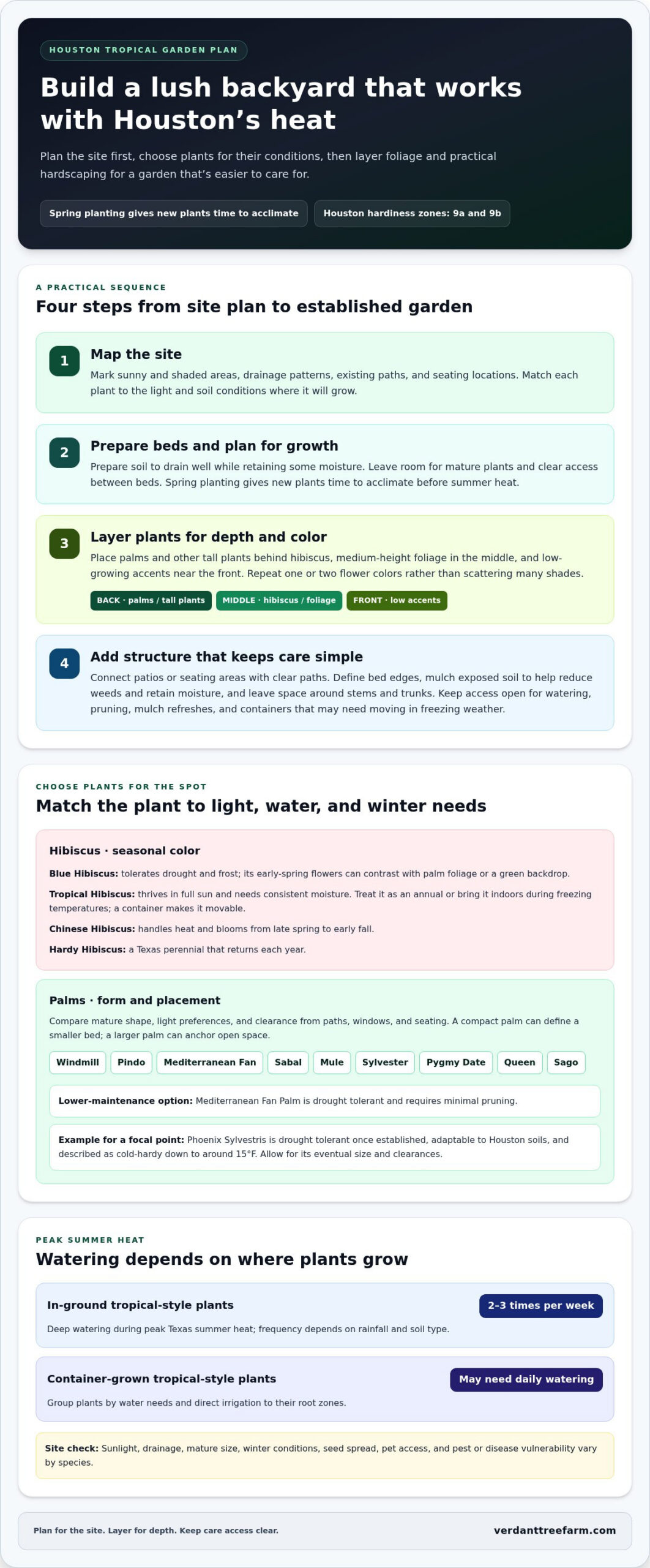
Learning how to create a tropical backyard in Houston starts with a site plan, not a shopping list. Map sunny and shaded areas, existing paths, drainage patterns, and seating locations. Spring planting gives new plants time to acclimate before summer heat. Prepare soil to drain well while retaining some moisture, so tropical plants can grow without sitting in soggy ground.
Build depth with clusters at different heights. Place palms or other tall plants behind hibiscus, then add medium-height foliage and low-growing accents near the front. Repeat one or two flower colors for a coordinated landscape; yellow blooms can provide a clear accent. Leave room for mature growth and access between beds.
Planting beds differ from projects involving fences, pools, or drainage changes. Approval requirements depend on the work and property, so account for them when defining the project scope. Costs also depend on plant selection and size, site preparation, installation labor, hardscape materials, and irrigation needs. Set priorities first, then phase the work to fit your plans.
Professional installation can help translate a site plan into properly placed plants and defined beds, especially when the layout includes several layers or drainage considerations. That planning helps connect plant placement with watering zones and outdoor use. Knowing how to create a tropical backyard in Houston also means making routine care workable: group plants with similar water needs, mulch generously, and adjust irrigation to rainfall and soil. In-ground tropical-style plants usually need deep watering 2-3 times per week during peak Texas summer heat, depending on rainfall and soil type. These practical decisions are central to how to create a tropical backyard in Houston that feels cohesive and functions well. For help with installation, plan your tropical landscape.
Verdant Tree Farm: Live Oak
Verdant Tree Farm can help you choose a landscape tree to complement tropical planting beds and add canopy structure. Live Oak provides a shade option, while Shumard Oak, Mexican White Oak, and Drummond Red Maple offer other choices for shaping the yard’s upper layer. Consider how each tree relates to patios, paths, and sun-loving hibiscus before choosing a planting spot.
A well-placed tree can balance bold palm foliage and colorful flowers without competing for every focal point. If your backyard plan needs more shade or a taller anchor, consider tree choices as part of the overall landscape design. Contact Verdant Tree Farm to discuss a tree that could suit your backyard plans.
Shape a Backyard That Can Grow With You
A practical plan for how to create a tropical backyard in Houston should suit the way you use your outdoor space and leave room for future changes. Start with one clear priority, such as creating a private seating corner or defining a welcoming path. Let that decision guide where new plants and landscape features belong. A phased approach makes the design easier to refine as you learn how sunlight, drainage, and daily use shape the space.
Before adding another feature, consider how it will connect to the rest of the yard. A well-planned landscape feels intentional because each area supports the next, from the garden edge to the place you relax. For help choosing trees that complement your backyard plans, contact Verdant Tree Farm. Your tropical retreat can take shape one thoughtful decision at a time.
Frequently Asked Questions
How do I design my yard to get that “lush tropical oasis” look?
Design around one focal view, such as a seating area framed by layered planting. Sketch the yard from above and mark windows, paths, and existing trees before choosing plant locations. For example, place large-leaf plants where they soften a fence while keeping the view from the patio open. Repeating similar foliage shapes in separate beds helps the landscape feel connected rather than crowded.
What are the best tropical-looking plants that actually grow well in Texas?
Star Jasmine, plumbago, lantana, and Bird of Paradise can bring a tropical look to Texas gardens. Star Jasmine grows in full sun or shade when the soil drains well, while plumbago can bloom from spring through fall in full sun. Lantana flowers in spring and fall. Choose plants according to the light and soil in each part of your yard.
What kind of soil is best for tropical plants?
Tropical plants generally do best in rich, well-draining soil that holds some moisture without staying soggy. Roots need moisture, while persistently wet soil can create poor growing conditions. Before planting, check whether water drains from the bed or collects there. Use that observation to guide soil preparation, especially for hibiscus, which needs prepared, free-draining garden soil.
Which tropical plants thrive in Houston’s heat, humidity, and USDA hardiness zones?
Heat-loving choices include Mandevilla, Banana Plants, Celosia, and Tropical Hibiscus. Mandevilla blooms from spring until frost and thrives in heat, while Banana Plants prefer full sun and warm weather. Houston is in USDA hardiness zones 9a and 9b, but tropical plants still vary in cold tolerance. Plan winter care by plant type, using containers for plants you may need to move under protection.
How can I design a tropical backyard for Houston’s heavy rain, clay soil, and drainage needs?
Start by observing where rainwater flows and where it lingers after a storm. Avoid planting in low pockets that hold water, and favor soil that drains while retaining some moisture. Place moisture-sensitive plants in better-draining parts of the yard, and use containers when you need more control over the growing medium. Don’t direct runoff toward foundations or neighboring properties.
What are the best sun and shade plants for a tropical Houston garden?
Match plants to the light each bed receives. Plumbago and Celosia suit sunny locations, while Caladiums prefer warm, evenly moist soil and protection from harsh afternoon sun. Bromeliads do well in bright, indirect light. For a flexible option, Kimberly Queen Fern grows in both sun and shade. Use the yard’s changing shade patterns to place each plant where its light needs are met.