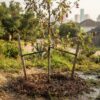
Stop trying to force traditional lilacs to survive the 100-degree humidity of a Harris County August. Since 2005, when the Texas A&M Forest Service officially designated it a “Texas Superstar,” savvy homeowners have turned to a much tougher alternative. The Vitex tree Houston families rely on provides those same stunning purple spikes while actually thriving in our brutal Gulf Coast climate. It’s the perfect solution for anyone tired of watching delicate plants wither in the summer sun.
At Verdant Tree Farm, we understand the struggle of gardening in heavy clay soil that stays wet too long or bakes like a brick. You want a lush, vibrant landscape that doesn’t lead to a massive water bill every month. This guide shows you exactly how to successfully grow the “Texas Lilac” to attract butterflies and add premium curb appeal to your home. We’ll walk you through the best planting practices and maintenance tips from Houston’s Premier Tree Farm to ensure your new investment lasts for decades.
Key Takeaways
- Learn why the “Texas Lilac” is the ideal flowering alternative for homeowners seeking vibrant blooms that thrive in the intense Gulf Coast heat.
- Discover why the Vitex tree Houston residents rely on is the ultimate choice for rapid growth and extreme drought tolerance.
- Master the professional “mound planting” technique to ensure your new tree flourishes even in Houston’s heavy, poor-draining clay soil.
- Understand the honest facts regarding its growth habits and how to responsibly manage this beautiful specimen within an urban landscape.
- Find out how to secure premium specimen trees at nursery-direct prices while benefiting from the peace of mind provided by a professional warranty.
What is a Vitex Tree and Why is it Called the “Texas Lilac”?
If you want the look of a traditional lilac but live in Southeast Texas, you’ve likely realized that standard lilacs simply can’t handle our intense humidity. That’s where the Vitex tree Houston homeowners rely on comes into play. Known botanically as Vitex agnus-castus, this hardy species is commonly called the Chaste Tree. It earns its “Texas Lilac” nickname because it produces stunning, upright spikes of purple flowers that mimic the appearance of cool-climate lilacs. As a family owned and operated business, Verdant Tree Farm has seen these trees become a staple in local landscapes due to their extreme resilience. They typically grow as multi-trunked small trees or large, spreading shrubs. You’ll recognize them by their distinct palmate leaves, which look similar to sage and release a pleasant, aromatic scent when crushed.
The Mediterranean Origin and Texas Performance
The Vitex is native to the Mediterranean region. This origin explains why it thrives during the 100-degree dry spells common in Greater Houston. While traditional lilacs fail in our 90 percent humidity, the Texas Lilac uses that heat to fuel its growth. In our local climate, a healthy Vitex can reach heights of 10 to 20 feet with a similar spread. It’s a deciduous tree, meaning it drops its leaves in winter, but its sculptural grey bark provides visual interest during the colder months. We recommend it for anyone looking for a drought-tolerant specimen that provides a massive pop of color in mid-summer. We grow these to be tough, ensuring they handle our specific soil conditions with ease.
Popular Cultivars for Houston Landscapes
Choosing the right variety is key to achieving your landscaping goals. We focus on cultivars that have proven their strength in Texas soil. Here are the top performers we see in the field:
- Shoal Creek: This is the gold standard for the region. It features deeper purple blooms and larger leaves than the standard species. It also shows better resistance to leaf spot during rainy seasons.
- Montrose Purple: This variety is famous for its robust, 12-inch flower spikes. It’s a heavy bloomer that creates a dramatic focal point in any yard.
- White and Pink Varieties: While purple is the most popular, varieties like “Silver Spire” (white) or “Rosea” (pink) offer niche options for specific garden palettes.
As Houston’s Premier Tree Farm, we provide these premium specimens wholesale to the public. We make it easy to find the right Vitex tree Houston needs for lasting beauty. Our team handles the heavy lifting, from growing the root balls to professional installation at your property.
The Benefits of Planting Vitex in Your Houston Yard
The Vitex tree Houston homeowners choose often becomes the crown jewel of their landscape for several practical reasons. This tree thrives in the intense Texas sun, handling 100-degree days in July and August without the leaf scorch that affects more sensitive species. Once the root system establishes after the first year, it becomes a drought-tolerant powerhouse. You’ll see a rapid growth rate of 24 to 36 inches per season, which is perfect if you want to transform a bare yard into a lush retreat quickly.
Maintenance is minimal because the Vitex is highly resistant to the pests and fungal diseases common in our humid Gulf Coast environment. While some environmental groups suggest it can be invasive in Texas when planted near limestone outcrops or specific waterways, it remains a manageable and stunning addition to residential Houston landscapes. You get a long season of interest that starts with vibrant purple spikes in May and continues with attractive, aromatic gray-green foliage that lasts until the first frost.
- Heat Endurance: Thrives in full sun and high humidity.
- Fast Results: Reaches its mature height of 15 to 20 feet in just a few seasons.
- Low Maintenance: Requires little pruning and rarely suffers from local pests.
- Visual Appeal: Offers a unique texture that contrasts well with broader-leafed trees.
A Magnet for Houston Pollinators
Your backyard becomes a hub of activity when the Vitex blooms. These fragrant spikes serve as a vital nectar source during the mid-summer “bloom gap” when many other flowering plants struggle. You’ll consistently see Eastern Tiger Swallowtails, Monarchs, and native Texas bees visiting the canopy. It creates a true sensory garden experience. The light, herbal scent of the flowers adds a refreshing element to your outdoor living area during the evening hours.
Versatility in Landscape Design
The Vitex tree Houston residents prefer is incredibly adaptable to different yard sizes. In smaller lots in Katy or Cypress, you can prune it into a single-trunk specimen tree to act as a focal point. If you have more space, let it grow in its natural multi-trunk form to create a dense, colorful privacy screen. It’s an excellent choice for xeriscaping because it doesn’t demand constant irrigation once it’s settled. If you’re looking to pair it with other water-wise options, explore our guide to the top drought tolerant trees Houston homeowners use to cut water bills and maintain a lush yard. If you’re ready to upgrade your curb appeal, we offer high-quality trees and professional installation through our family-owned and operated nursery.
Addressing the Elephant in the Room: Is Vitex Invasive in Texas?
If you follow native plant circles, you’ve likely heard the debate. The Native Plant Society of Texas (NPSOT) currently lists the Chaste Tree as an invasive species in several regions. This classification stems from the plant’s ability to escape cultivation and crowd out native vegetation in limestone outcrops and dry wash beds. However, the context of your planting site matters immensely. While it poses a risk to wild watersheds in Central Texas, the Vitex tree Houston homeowners plant in urban residential zones behaves quite differently. This is why Texas A&M AgriLife continues to promote it as a “Texas Superstar,” a title it earned in 2005 for its extreme heat tolerance and pest resistance.
Verdant Tree Farm believes in transparency. We are Houston’s Premier Tree Farm, and our goal is to help you build a landscape that lasts for generations. Understanding the difference between a managed landscape and an unmonitored wild space is the first step toward responsible ownership. In a manicured Houston yard, you are the steward of the tree. You have the tools to prevent it from spreading while still enjoying its vibrant, lilac-like blooms and drought-hardy nature.
How to Manage Vitex Responsibly
Responsible gardening starts with proactive maintenance. You can enjoy the beauty of a Vitex tree Houston without environmental guilt by following these three steps:
- Deadhead spent blooms: Removing the flower spikes once they fade prevents the tree from producing seeds. This simple task also encourages a second flush of flowers in late summer.
- Select the right cultivar: We recommend “Shoal Creek.” It is a vigorous grower with larger flowers and significantly lower seed production than older, wild varieties.
- Watch for volunteers: Houston averages 50 inches of rain annually. These wet springs can cause a few seedlings to pop up near the base of the tree. Pull them early to keep your garden tidy and contained.
Native Alternatives for the Purist
If your goal is a 100% native habitat, we have excellent alternatives available at our farm. The Desert Willow offers a similar wispy texture and orchid-like flowers that thrive in Texas heat. The Texas Mountain Laurel provides stunning purple clusters in early spring with a fragrance like grape soda. Many customers choose to blend these natives with a Vitex to create a balanced ecosystem. This approach provides a long blooming season that supports local pollinators while maintaining the structural diversity of a professional landscape. Our family-owned and operated team can help you select the perfect mix of native and adapted species during your next visit.
How to Plant and Care for Your Vitex in Houston Clay
To get the most from your Vitex tree Houston, you must start with the right location. These trees demand at least 6 to 8 hours of direct sunlight daily. Without full sun, you’ll see leggy growth and significantly fewer purple spikes. This tree thrives in the heat, making it a perfect match for the intense Texas sun. When you bring your tree home from our farm, prioritize a spot with high visibility where it has room to spread its canopy, which can reach 15 to 25 feet wide at maturity.
Houston’s heavy black gumbo clay is notorious for poor drainage. You should never plant a Vitex in a deep hole that acts like a “clay bathtub” where roots rot in standing water. Instead, use the mound planting technique. Set the root ball so the top two inches sit slightly above the natural soil line. Build the soil up to the edges of the root ball to create a gentle slope. This ensures water drains away from the trunk during heavy Gulf Coast rainstorms. For the first 14 to 21 days, give your tree a deep soak every morning. Once the root system is established, these trees become remarkably drought-hardy, requiring supplemental water only during extreme July heatwaves. For a broader look at how the Vitex compares to other drought tolerant trees Houston landscapes depend on, our complete guide covers the top water-wise species for every yard size.
Winning the Battle Against Houston Clay Soil
Success in Cypress and Katy depends on soil prep. Mix 30 percent expanded shale and 20 percent organic compost into your backfill to create the aeration roots need. This prevents the soil from compacting into a brick-like state during dry spells. Apply a 3-inch layer of hardwood mulch around the base, but keep it two inches away from the trunk. This protects roots from 100-degree temperatures while retaining vital moisture.
Pruning and Maintenance for Prolific Blooms
Prune your tree in late February before new growth begins. Vitex blooms on “new wood”; heavy pruning actually encourages more flowers. If you prefer a “Tree Form” aesthetic, remove the lower suckers and “limb up” the branches to expose the beautiful multi-trunk structure. For a “Bush Form” look, cut the canopy back by one-third each year to maintain a dense, shrub-like appearance. Removing spent flower spikes in mid-summer can often trigger a second bloom cycle in late August.
Winter Care and Freeze Recovery
The 2021 and 2024 freezes tested every landscape in Southeast Texas. While many tropicals failed, most Vitex trees survived by going dormant. If a hard freeze is forecasted, wrap young trees in frost cloth. If your tree looks brittle in March, don’t panic. These survivors are late sleepers and often won’t show green growth until late May. Scratch the bark with a fingernail; if you see green underneath, your tree is alive and recovering.
The Verdant Advantage: Why Buy Your Vitex from Houston’s Premier Farm?
Choosing the right Vitex tree Houston homeowners will love starts with selecting a source that understands our unique climate. At Verdant Tree Farm, we provide wholesale to the public pricing. This allows you to secure premium specimen trees at nursery-direct rates. We’re a veteran-owned and family-operated business. This foundation means we prioritize reliability and a deep commitment to the Houston community. We don’t just sell you a plant and walk away. Every purchase includes a 3-month warranty to ensure your investment is protected during its critical establishment phase.
Our professional installation services take the guesswork out of planting. We handle the delivery and the labor, ensuring your tree is positioned for optimal growth. We use industry-standard techniques to protect the root balls and ensure the soil is properly prepared. This comprehensive approach is why we’re known as Houston’s Premier Tree Farm. We make the process simple, direct, and successful for every customer.
Specimen Quality You Can See
Our locally-grown Vitex are better acclimated to the intense Houston humidity than trees shipped in from out of state. We grow our inventory to withstand the specific environmental pressures of Southeast Texas. You can choose from a wide range of sizes. We stock everything from manageable 15-gallon containers to large specimen trees that provide immediate purple blooms and shade. We encourage you to visit our Cypress location. You can walk the farm and hand-pick the specific tree that catches your eye. Seeing the structure and health of the canopy in person gives you total confidence in your purchase.
Comprehensive Landscaping Support
A Vitex tree is a centerpiece, but it works best as part of a cohesive plan. Our 3D design services help you integrate your new Vitex tree Houston summers will highlight into a complete dream yard. We look at your entire property to ensure the placement is perfect for both aesthetics and tree health. Beyond the initial planting, we offer expert maintenance consultations. We’ll teach you the best pruning schedules and watering habits to keep your “Texas Lilac” vibrant for years. We’re your long-term partners in property value and beauty.
Transform Your Landscape with a Hardy Texas Classic
The Vitex tree Houston families choose for their yards offers a unique blend of rugged durability and Mediterranean beauty. These trees thrive in the 100-degree heat of a typical Texas July and stand strong against the heavy clay soils found across Harris County. You’ll get stunning purple blooms from May through September that attract butterflies and hummingbirds to your garden. Because these trees are drought-tolerant once established, they’re a practical choice for any local homeowner looking for high impact with low maintenance.
Verdant Tree Farm is proud to be the largest independent tree nursery in the city. We’re a Veteran-Owned and Operated business that provides wholesale pricing directly to the public. When you choose us, you’re getting a specimen grown specifically for the Gulf Coast climate. We also provide a 3-month warranty on all trees we install, giving you peace of mind with your investment. Our team is here to handle everything from the initial selection to the final professional planting at your home.
Browse Our Vitex Inventory & Wholesale Pricing to find the right size for your property. We’re excited to help you create the lush, vibrant yard you’ve always wanted.
Frequently Asked Questions
How fast does a Vitex tree grow in Houston?
A Vitex tree in Houston typically grows at a rate of 2 to 3 feet per year when planted in well-drained soil. This rapid growth allows a standard 15-gallon specimen to reach its mature height of 15 to 20 feet in 5 to 7 years. Our team at Verdant Tree Farm ensures every tree starts with a robust root ball. As Houston’s Premier Tree Farm, we provide the high-quality stock needed for such vigorous development.
Does a Vitex tree lose its leaves in the winter?
Yes, the Vitex is a deciduous tree that sheds its foliage once temperatures consistently drop below 40 degrees Fahrenheit in late autumn. You can expect the tree to remain bare through the winter months before new growth emerges in March. This dormant period is essential for the tree’s health. It allows the plant to conserve energy for the vibrant purple blooms that define the Vitex tree Houston landscape in late spring.
Are Vitex trees messy for Houston pools?
Vitex trees are considered moderately messy near pools because they drop spent flower spikes and seeds throughout the summer. While the 6 to 12 inch bloom clusters are stunning, they eventually fall and can clog skimmer baskets if planted within 10 feet of the water. We recommend a setback distance of at least 15 feet. This positioning keeps your pool deck cleaner while still providing a lush, Mediterranean aesthetic for your backyard oasis.
Can I grow a Vitex tree in a large pot on my patio?
You can successfully grow a Vitex tree in a large container, provided the pot holds at least 20 to 30 gallons of soil. Because these trees have aggressive root systems, you must prune the canopy and roots every 2 to 3 years to prevent the plant from becoming root-bound. Potted Vitex require daily watering during Houston’s 90-plus degree summer days. It’s a great way to add “Texas Lilac” color to smaller patio spaces.
How much sun does a Vitex tree need in Texas?
A Vitex tree requires a minimum of 6 to 8 hours of direct sunlight daily to produce its signature flower spikes. In the intense Texas heat, these trees thrive in full sun exposures where other species might wilt. Shady locations result in leggy growth and a 50% reduction in bloom density. For the best results, plant your Vitex tree Houston in an open area with zero canopy obstruction from larger shade trees.
Why is my Vitex tree not blooming?
The most common reason for a lack of blooms is insufficient sunlight or improper pruning timing. If your tree receives less than 6 hours of sun, it won’t have the energy to produce flowers. Additionally, pruning too late in the spring removes the new wood where flowers form. Deadheading spent blooms in July can often trigger a second flush of flowers in late August, extending your color season by several weeks.
Is the Vitex tree toxic to dogs or cats in Houston?
The Vitex agnus-castus is classified as non-toxic to dogs, cats, and horses according to the ASPCA. While the berries and leaves aren’t poisonous, ingesting large quantities of any plant material can cause mild gastrointestinal upset in pets. We’ve provided thousands of these trees to local families, and they remain a top choice for pet-friendly landscaping. It’s a safe, beautiful investment for any Houston backyard where animals roam freely.
What is the best time of year to plant a Vitex in Houston?
The best time to plant a Vitex in Houston is from October through March. Planting during these cooler months allows the root system to establish for 120 to 180 days before the summer heat arrives. As a family owned and operated business, we prioritize proper timing for long-term health. We offer these specimens wholesale to the public, providing professional installation to ensure your investment thrives in our local clay soils.