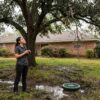
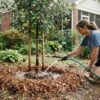
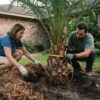
The most important step in preparing your landscape for a hurricane is spotting what could become a hazard in high winds or heavy rain. Assess trees, drainage, irrigation, and loose outdoor items, then prioritize anything that could threaten people, structures, or other parts of the yard. A healthy-looking tree and tidy lawn don’t necessarily mean your property is ready for a storm.
It’s natural to focus on branches and patio furniture, but water flow and the condition of the landscape matter too. This guide covers what a professional assessment should include, how to prepare trees and irrigation, and which yard conditions to address before hurricane season. Learn to spot warning signs such as dead or damaged limbs, blocked drainage, and saturated soil, and what to consider for plants and outdoor items in strong winds and heavy rain. The goal is to reduce avoidable risks, not to promise that any yard can withstand every storm.
Key Takeaways
- Prioritize dead, damaged, or weak limbs for professional assessment, especially where falling branches could reach structures or landscape features.
- A professional preparation plan can address loose yard items, drainage, and outdoor systems before severe weather arrives.
- Turning off irrigation ahead of expected heavy rain helps avoid oversaturated soil and added stress on roots.
- Look beyond visible tree damage: blocked drainage, erosion-prone areas, and water pooling can reveal hazards that need attention.
1. Should trees be pruned before a storm?
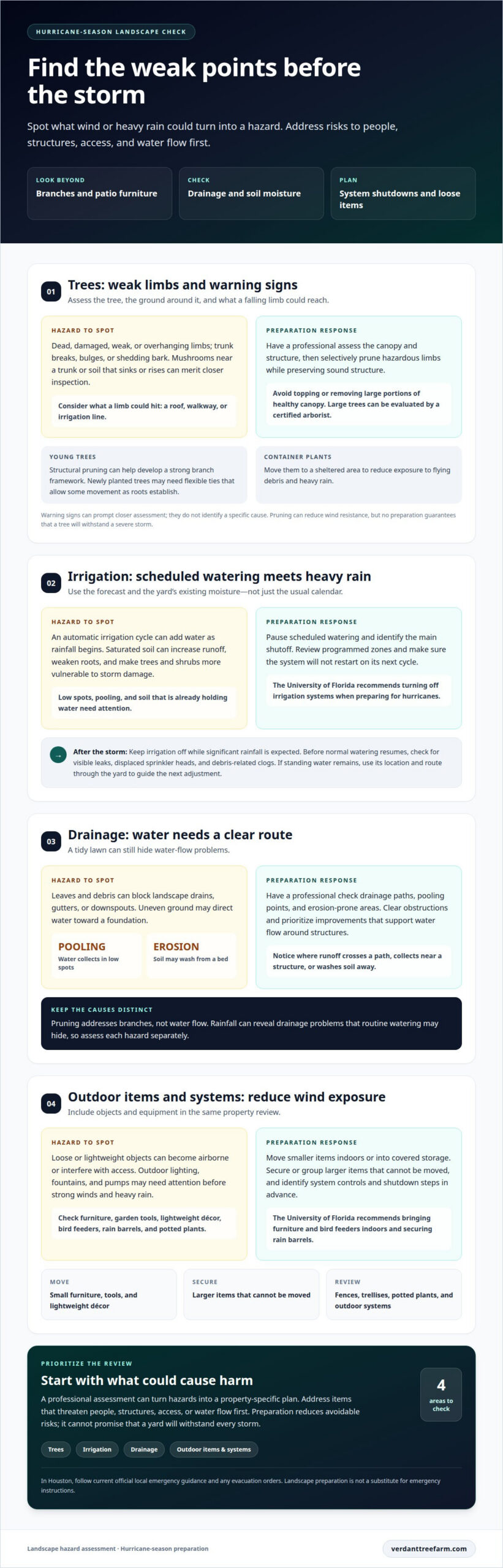
Yes. Selective pruning before hurricane season can remove dead, damaged, weak, or overhanging branches that may break in strong winds. A professional assesses each limb’s condition and what it could hit, such as a roof, walkway, or irrigation line. Pruning can reduce wind resistance, but the aim is to address specific hazards, not reshape every plant before a storm.
Young trees may need structural pruning as they develop a strong branch framework. Before deciding what to prune, a professional checks for dead or broken branches, trunk breaks, bulges, and shedding bark. Newly planted trees may need flexible ties that allow some movement as roots establish. Container plants call for a different approach: moving them to a sheltered area can reduce exposure to flying debris and heavy rain.
Tree risk evaluation includes the base and surrounding soil. Mushrooms near a trunk or soil that gradually sinks or rises can signal an issue that merits closer inspection. These signs don’t identify a specific cause, but they can help a professional decide whether the tree’s roots or structure need further assessment before severe weather.
How do professionals prune trees safely before a hurricane? They assess the canopy and structure, identify hazardous limbs, and make selective cuts suited to the individual tree. For large trees, a certified arborist can evaluate the risks and determine which branches to remove.
Over-pruning or topping can weaken a tree and increase its vulnerability to wind damage. Removing large portions of healthy canopy isn’t a reliable storm-preparation shortcut. Prioritize dead or damaged branches while preserving sound structure. A healthy tree may fare better in ordinary conditions, but a severe storm can still bring it down.
How can a professional prepare my landscape for hurricane season?
A professional landscape review can turn hurricane-season preparation into a prioritized plan. It may include identifying loose outdoor items, checking drainage paths, and noting which systems need to be shut down before severe weather. Prioritize items that could become airborne or interfere with access, along with features that affect water flow around structures.
For irrigation, sprinklers, and outdoor lighting, identify the system controls and what needs to be switched off before a storm. The University of Florida recommends turning off irrigation systems and bringing furniture and bird feeders indoors. Outdoor lighting, fountains, and pumps also need attention before strong winds and heavy rain. A professional landscape review can identify these features and include shutdown steps in the property’s storm plan.
Plan for furniture and decorations based on their location. Move smaller pieces, garden tools, and lightweight décor indoors or into covered storage. Secure or group larger items that can’t be moved to reduce their exposure to wind. The University of Florida recommends securing rain barrels. A professional can assess whether fences, trellises, or other landscape structures need attention and whether potted plants can be moved to shelter.
Drainage belongs in the same review. Leaves and debris can obstruct landscape drains, gutters, or downspouts, and uneven areas may direct water toward a foundation. A professional assessment can identify pooling points and erosion-prone areas, then prioritize improvements that support water flow. In Houston, follow current official local emergency guidance and any evacuation orders. General landscape preparation is not a substitute for emergency instructions.
For planned changes to trees or planting areas, professional landscape installation can help bring the design and placement together. Addressing system shutdowns, loose objects, and drainage before the season makes the preparation plan specific to the property.
3. Adjusting irrigation before heavy rain
Before a tropical storm or hurricane brings heavy rain, a landscape professional can review the irrigation controller and pause scheduled watering. The University of Florida recommends turning off irrigation systems when preparing for hurricanes. This prevents an automatic cycle from adding water as rainfall begins. Base the timing on the forecast and the yard’s existing moisture, not just the usual calendar.
Excessively wet ground can increase runoff, weaken root systems, and make trees and shrubs more vulnerable to storm damage. Before adjusting the system, a professional can consider soil saturation, drainage patterns, and low spots. For example, a lawn already holding water needs a different response from a well-drained planting bed. The goal is to avoid unnecessary irrigation, not to create a new watering schedule during the storm.
Adjusting irrigation involves more than pressing a controller button. A professional can identify the main shutoff, review programmed zones, and make sure the system won’t restart on its next cycle. If the controller serves separate lawn and planting areas, account for how each zone is programmed. This helps prevent irrigation from running while rain is saturating the soil.
Rainfall can expose problems that routine watering may hide. A professional can note where runoff crosses a path, collects near a structure, or washes soil from a bed. Those observations help distinguish an irrigation issue from a drainage concern. Pruning addresses branches, not water flow, so each part of hurricane preparation needs separate attention.
Keep the system off while significant rainfall is expected, then have it assessed before normal watering resumes. After the storm, a professional can inspect for visible leaks, displaced sprinkler heads, or debris-related clogs before restarting irrigation. This review can support landscape recovery by preventing additional water from worsening saturated areas. If standing water remains, use its location and route through the yard to guide the next adjustment.
4. Assessing landscape hazards
A professional hazard assessment is a practical part of preparing your landscape for a hurricane. It should map risks by location and likely impact, not simply list damaged features. For example, a loose trellis beside a walkway presents a different concern from a bare slope above a planting bed. Ranking hazards helps focus landscape planning on safety, property exposure, and areas likely to need repair.
Professionals can trace how water travels across the property, from roof downspouts to landscape drains and low points. Runoff crossing a bare slope may wash soil into a bed, while a blocked outlet may cause water to collect near a structure. These patterns help show whether a recurring problem calls for clearing debris, improving drainage, or considering grading changes.
Assess outdoor objects by both weight and exposure. A small garden decoration may be easy to move, while a large planter or bench may need a different securing plan. Professionals can note which items are in open areas, beside windows, or near walkways, then prioritize what to move, secure, or remove before severe weather.
After a storm, focus the assessment on safe access and visible changes. Avoid areas near fallen power lines or leaning trees. Once it’s safe to approach, note exposed roots, washed-out soil, runoff channels, and missing mulch. Record where water remained standing, as those spots can reveal drainage concerns that weren’t obvious before the storm.
When preparing your landscape for a hurricane, use the assessment to create a clear sequence: address immediate hazards, then reduce erosion and standing water, and plan less urgent repairs afterward. For future planting, installation can account for spacing, root establishment, and drainage at the site. Plan a professional landscape installation with those conditions in mind.
Verdant Tree Farm
Verdant Tree Farm helps homeowners plan landscape improvements after identifying hurricane-related risks. When a tree needs replacing or a planting area needs refreshing, choose based on the site, intended placement, and how the landscape handles water. Available trees include Shumard Oak, Mexican White Oak, and Drummond Red Maple.
Professional installation can account for spacing, root establishment, and drainage as part of a new planting plan. These details matter alongside storm preparation because a tree’s placement and growing conditions shape how it fits the property over time. Tree selection alone can’t make a yard storm-proof, but a considered plan supports sound landscape decisions.
If you’re planning landscape work after assessing your yard, contact Verdant Tree Farm to discuss your project.
Make your landscape plan before the next storm
A practical next step in preparing your landscape for a hurricane is to turn your observations into a property-specific plan. Decide which improvements belong in routine landscape work and which need attention before severe weather approaches. Planning ahead also gives new trees time to establish roots and helps match planting choices to the site’s drainage and available space.
When you’re ready to make longer-term changes, Verdant Tree Farm offers professional installation and maintenance consultations to help shape landscape decisions around your property. These services can help when you’re replacing a tree, updating a planting area, or planning how your yard should function over time. No planting choice can remove every storm risk, but thoughtful planning can support a healthier, more manageable landscape.
Contact Verdant Tree Farm today to discuss your landscape plans. A clear next step can make the work ahead easier to organize.
Frequently Asked Questions
Can landscape design improve storm resilience?
Yes. Thoughtful design can support storm resilience by accounting for plant selection, spacing, root establishment, and drainage. For example, allowing for plants’ mature size can reduce crowding, while planning water flow can help limit erosion and pooling. Design can reduce some avoidable risks, but it can’t make a landscape immune to hurricane damage or replace preparation for an approaching storm.
How does drainage impact storm damage?
Drainage affects where heavy rain travels and collects. Poor water movement can saturate soil, contribute to erosion, destabilize roots, and leave water pooled near structures. A professional assessment can help distinguish a blocked outlet from a grading issue. If the same section of lawn repeatedly holds water after storms, note its location and include it in landscape planning.
Should irrigation systems be turned off before a hurricane?
Yes. Turning off irrigation before a hurricane helps prevent scheduled watering from adding moisture while rain is already saturating the ground. A professional can review the controller and its zones, then pause programmed cycles ahead of expected heavy rain. After the storm, the system can be inspected for leaks, displaced sprinkler heads, or debris-related clogs before normal watering resumes.
Should trees be pruned before a storm?
Selective pruning can remove dead, damaged, or weak branches that might break in strong winds. The right cuts depend on the tree’s structure and condition, so avoid removing large amounts of healthy canopy or topping a tree. For a large tree or one with concerning structural signs, seek an assessment from a certified arborist rather than treating severe pruning as storm protection.
When should homeowners seek professional assistance?
Arrange an assessment before hurricane season if a tree has damaged limbs, a trunk deformity, or signs of root problems. Seek help promptly when recurring pooling, erosion, or exposed roots affect the landscape. In Houston, Verdant Tree Farm’s maintenance consultations address tree health, irrigation needs, and long-term care. Use one to plan ongoing landscape decisions or evaluate existing plantings.